
Salt Lake City, Utah HOA Fee Calculator 2026
Utah is HOA country, and Salt Lake City is its capital in both senses. The median HOA fee actually paid inside the city is $345 per month (U.S. Census Bureau, ACS 2025, ±$42); across the Salt Lake City metro it is $186 (±$15), and the Utah state median is $142. The spread is the familiar one — city condos and townhomes against a valley of suburban associations — widened by a state that builds new communities through associations as a matter of course.
Average HOA Fees in Salt Lake City by Neighborhood Type
| Property Type | Average Monthly Fee | Annual Cost | What's Included |
|---|---|---|---|
| Downtown Condo (City Creek, Gateway) | $445/mo | $5,340/yr | Elevator, amenities, parking structure, master insurance, reserves |
| Townhome Association (Sugar House, suburbs) | $285/mo | $3,420/yr | Exterior maintenance, landscaping, snow removal, reserves |
| Planned Community (Daybreak, Herriman) | $110/mo | $1,320/yr | Lake and amenity operations, trails, extensive open space |
| Established Subdivision HOA | $65/mo | $780/yr | Entrances, common areas, enforcement |
| Foothill / Bench Community | $140/mo | $1,680/yr | Private roads and snow, water systems, wildfire-edge maintenance |
What Do HOA Fees Cover in Salt Lake City?
Salt Lake dues cover the operating budget — in condos and townhomes, exteriors, roofs, master insurance, elevators and garages; in the planned communities, amenity operations at real scale (Daybreak's lake and its maintenance are an association line item) — plus reserves. Utah adds two local signatures: snow removal is a serious contract line along the benches, and water is the perennial budget argument, as associations balance landscaping against the state's conservation push and secondary-water pricing. What dues do not cover: interiors, mortgages, and Salt Lake County taxes. In the newest suburbs, check for public infrastructure districts adding a tax-side charge beside the dues.
What Drives HOA Fees Higher in Salt Lake City?
Reserve law with teeth, arriving on schedule. Utah requires associations to study reserves and disclose funding (below), and the Wasatch Front's large stock of 1990s and 2000s townhomes is hitting roof and asphalt years under that regime. Second, insurance — Utah attached housing has repriced with the national market. Third, water and snow: landscaping contracts in a high-desert valley and bench snow removal both escalate. Fourth, growth mechanics: developer-era dues in the southwest valley's mega-communities reset at turnover, the standard pattern in its standard place.
How Much Are HOA Fees in Salt Lake City?
Use all three medians — $345 city, $186 metro, $142 state — and the Utah-specific document: the reserve analysis summary. Utah law requires associations to prepare a reserve analysis and to disclose to buyers, through the seller, the community's reserve position and whether a special assessment is anticipated. Read it beside the budget. Two Sugar House townhome communities at $285 can be a decade apart in roof life; the analysis says which. In new planned communities, price the post-turnover dues and any infrastructure-district tax, not the brochure figure.
Are HOA Fees Negotiable in Salt Lake City?
Dues follow the declaration; no individual negotiation. In a purchase, Utah's disclosure duties create the negotiation surface: credits for anticipated special assessments disclosed in the reserve summary, price adjustments where reserves are thin, and allocation of instalments at closing. In developer-controlled communities, ask what dues become at turnover and get the projection in writing — Utah's growth corridor has produced enough surprised second owners that the question is now standard practice among local agents.
Do HOA Fees Go Up Every Year?
Yes — 4 to 6 percent in attached communities is a fair planning band, with steps where roof and asphalt programmes land. Utah's reserve-disclosure regime pushes boards to correct underfunding earlier than in states without it, which makes increases steadier and surprises rarer. Single-family amenity associations rise more gently. The calculator below will project the line; for a townhome, run 5 percent and then read the reserve analysis to see whether even that is optimistic.
Utah HOA Laws: What Salt Lake City Buyers Should Know
Utah community associations are governed by the Community Association Act (§ 57-8a-101 et seq.) and condominiums by the Condominium Ownership Act (Chapter 57-8). The provisions buyers feel: reserve analyses and funding disclosure (§ 57-8a-211 and § 57-8-7.5), association registration with the Department of Commerce, records and meeting rights, and the assessment lien (§ 57-8a-301) with its notice requirements. Utah also requires sellers to disclose association fees and documents through the standard seller disclosures and the association's own payoff information. The Utah state guide covers the statewide picture; St. George, at the state's other end, runs the same Acts in the fastest-growing small metro in America.
How to Estimate Your Total Cost of Owning an HOA Home in Salt Lake City
The Salt Lake stack: mortgage, dues, county property taxes (Utah's primary-residence exemption softens this line — verify the parcel's status), insurance, and in bench communities, private-road and water costs inside the dues themselves. A $560,000 Sugar House townhome at $285 dues and roughly $310 a month in taxes carries about $595 before the mortgage. Run the dues at 5 percent over your hold; in Utah's market the fee line, not the tax line, is the one with momentum.
Calculate Your Future HOA Costs
Use the free HOA Fee Calculator to project this fee over 5 to 30 years — or compare three fee futures side by side with the Scenario Calculator.
How Salt Lake City compares
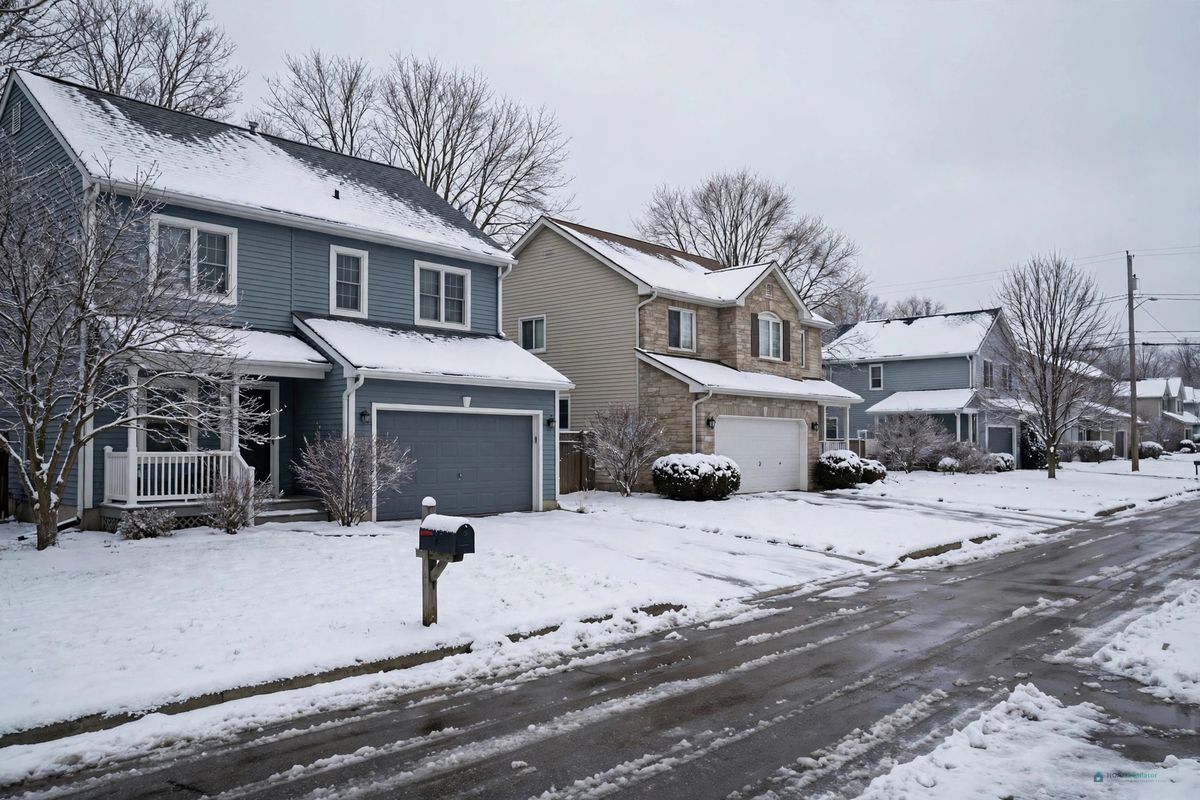
Salt Lake City's $345 city median (ACS 2025) is the highest city figure in the Mountain West on this site — well above Denver's $128 metro median — while its $186 metro median sits between Denver and the coastal markets. Utah's $142 state median is itself high for an interior state, reflecting how completely the Wasatch Front builds through associations. The pattern matches Portland's: an expensive condo core inside a moderate metro.
The growth comparison cuts the other way: Salt Lake's suburbs are young, so today's $110 planned-community dues are early-chapter numbers. The reserve analysis, not the current dues, tells you the ending — Utah law makes sure it is available, which is more than most growth states offer.
Frequently Asked Questions (FAQs)
What is the average HOA fee in Salt Lake City?+
What is a Utah reserve analysis?+
Why are Utah HOA fees higher than other interior states?+
Can a Utah HOA foreclose for unpaid dues?+
What is a public infrastructure district in Utah?+
Looking for Full Multi-Property Comparisons?
Use our advanced homepage comparison engine to pit multiple properties, tax rates, and fee structures against each other.
← Open Home Page Calculator