
Sacramento, California HOA Fee Calculator 2026
Sacramento is California's fee bargain, with one famous catch. The median HOA fee actually paid across the Sacramento metro is $159 per month (U.S. Census Bureau, ACS 2025, ±$10), and inside the city it is $129 (±$25) — the lowest city figure in the state, against a California median of $272. The catch has a name every Sacramento buyer learns: Mello-Roos, the special tax district charge that rides on top of dues in the region's newer suburbs and never appears in the dues figure at all.
Average HOA Fees in Sacramento by Neighborhood Type
| Property Type | Average Monthly Fee | Annual Cost | What's Included |
|---|---|---|---|
| Midtown / Downtown Condo | $395/mo | $4,740/yr | Elevator, garage, common utilities, master insurance, reserves |
| Townhome Association (Natomas, Elk Grove) | $265/mo | $3,180/yr | Exterior maintenance, landscaping, community pools, reserves |
| Master-Planned Single-Family (Roseville, Folsom) | $135/mo | $1,620/yr | Amenity centres, trails, lakes and common landscaping |
| Established Neighbourhood HOA | $75/mo | $900/yr | Entrances, common areas, enforcement — the region's large older stock |
| 55+ Community (Sun City Roseville, Lincoln Hills) | $185/mo | $2,220/yr | Activity centres, golf and recreation operations, landscaping packages |
What Do HOA Fees Cover in Sacramento?
Sacramento dues cover the operating budget — landscaping through long dry summers, pools and amenity centres, common insurance and management — plus the Davis-Stirling reserve contribution for roofs, paint, asphalt and elevators. Townhome associations add exteriors. The region's 55+ communities run recreation operations that look more like small resorts, priced accordingly. What dues conspicuously do not include in Natomas, Elk Grove, Roseville and Folsom's newer tracts: the Mello-Roos Community Facilities District tax that financed the streets, schools and levees — collected with property taxes, sized per parcel, and lasting decades. Two Sacramento charges, two documents, one household budget.
What Drives HOA Fees Higher in Sacramento?
Water and heat, first. Common-area landscaping in a Mediterranean climate with Valley summers is an irrigation budget before it is anything else, and drought rules rewrite it cyclically. Second, the age wave: the region's 1980s and 1990s suburbs are hitting roof, asphalt and pool-equipment years together. Third, insurance repricing for attached stock, the statewide pattern. Fourth, in the 55+ flagships, recreation payrolls and golf economics. The Mello-Roos side rises on its own schedule — typically a fixed escalator written into the district's rate and method, entirely outside the HOA's control or budget.
How Much Are HOA Fees in Sacramento?
Quote the medians with their context — $159 metro, $129 city, $272 state — then do the Sacramento-specific sum: dues plus the Mello-Roos charge converted to a monthly figure from the seller's tax disclosure (the Notice of Special Tax is a required seller document; the county tax bill shows the actual line). A $135 dues bill beside a $220-a-month Mello-Roos charge is a $355 community cost, competitive with the Bay Area communities buyers left. In the established neighbourhoods without districts, dues alone are the honest, low figure — which is why the same metro posts California's cheapest city median and some of its most surprised newcomers.
Are HOA Fees Negotiable in Sacramento?
Dues follow the declaration and are not individually negotiable. Mello-Roos is not negotiable at all — it is a tax lien on the parcel that runs until the district's bonds retire. What buyers negotiate is price, informed by both charges: a home carrying $220 a month of Mello-Roos for 25 more years is worth less than the identical home across the district boundary, and Sacramento agents price that boundary precisely. Credits for announced special assessments and the standard § 4525 disclosure review complete the picture in condo and townhome purchases.
Do HOA Fees Go Up Every Year?
Dues rise at ordinary California rates — 3 to 5 percent in most communities, faster where reserves were thin. The Mello-Roos escalator is the quieter risk: many districts step the maximum tax up about 2 percent a year whether the HOA acts or not. When you model a Sacramento purchase, grow the dues at 4 percent and the district charge at its stated escalator, and notice that the second line, which nobody calls a fee, can outgrow the first. The calculator below projects the dues; add your district figure from the tax bill before trusting the total.
California HOA Laws: What Sacramento Buyers Should Know
Sacramento associations sit under the Davis-Stirling Act (Civil Code § 4000 et seq.): reserve studies with visual inspections at least every three years (§ 5550), budget and funding disclosures (§§ 5300, 5565), seller disclosure packages (§ 4525), and assessment liens (§ 5650) with gated foreclosure. Mello-Roos districts arise under the Mello-Roos Community Facilities Act of 1982 (Government Code § 53311 et seq.) — a separate statute, a separate charge, and a required Notice of Special Tax in every resale. The California state guide covers the statewide frame; San Jose shows Davis-Stirling at the opposite price point.
How to Estimate Your Total Cost of Owning an HOA Home in Sacramento
Build the full Sacramento stack: mortgage, dues, the Mello-Roos line inside the tax bill, base property taxes, and insurance. A $565,000 Roseville home with $135 dues, $220 a month of Mello-Roos and roughly $590 in base taxes carries about $945 before the mortgage. The same money in an established in-town neighbourhood might carry $75 dues and no district charge at all. Sacramento rewards the buyer who reads the tax bill as carefully as the HOA budget — the region's affordability is real, but it is itemised.
Calculate Your Future HOA Costs
Use the free HOA Fee Calculator to project this fee over 5 to 30 years — or compare three fee futures side by side with the Scenario Calculator.
How Sacramento compares
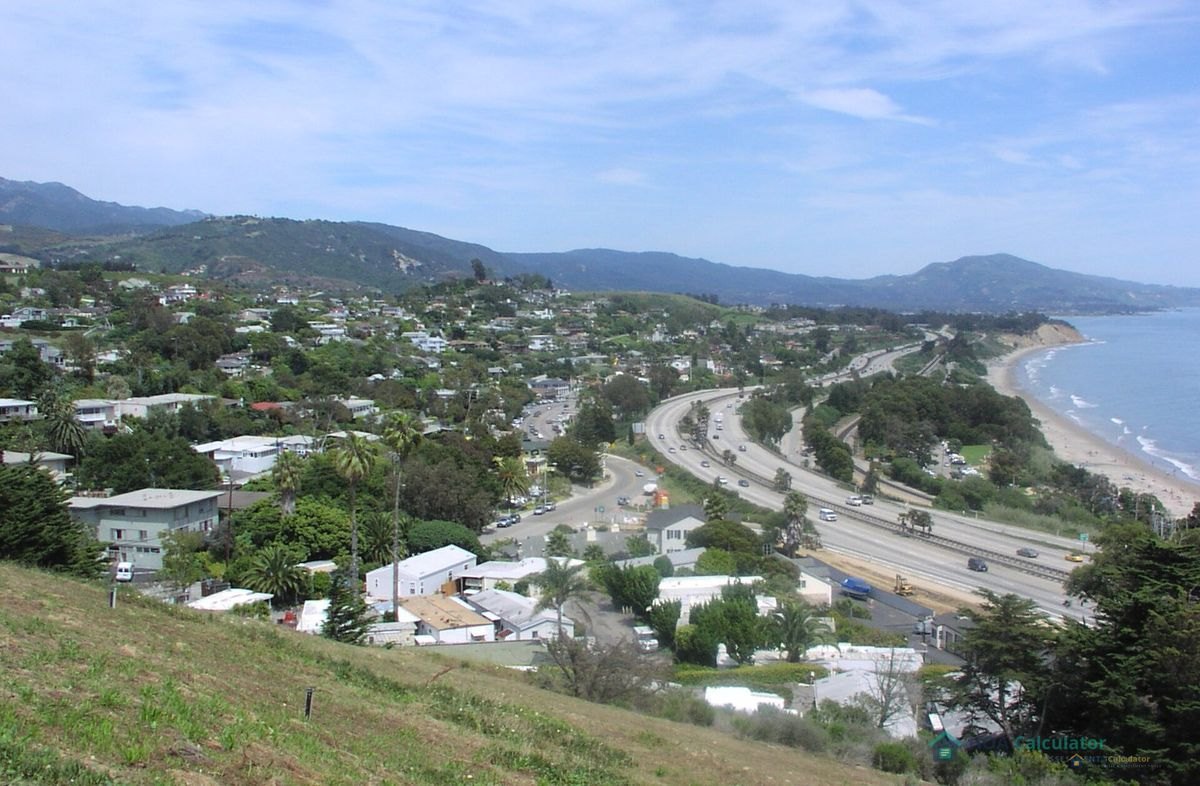
Sacramento's $159 metro median (ACS 2025) is the lowest in California — roughly half of Los Angeles ($350), well under San Francisco's metro $333 and San Jose's $394, and the only California metro under the $272 state median. Its city median of $129 is lower still, the reverse of the usual pattern, because the city's fee stock is older, smaller-scale associations rather than towers.
The honest comparison adds the district layer. All-in, a new Natomas or Elk Grove home can cost what a mid-tier Bay Area townhome costs in monthly community charges — while a pre-district Sacramento neighbourhood is as cheap as the median advertises. Sacramento is two markets; the tax bill tells you which one you are buying.
Frequently Asked Questions (FAQs)
What is the average HOA fee in Sacramento?+
What is Mello-Roos, and is it part of my HOA dues?+
How long does Mello-Roos last in Sacramento suburbs?+
What should I check in a Sacramento HOA's reserve study?+
Are Sacramento 55+ community fees different?+
Looking for Full Multi-Property Comparisons?
Use our advanced homepage comparison engine to pit multiple properties, tax rates, and fee structures against each other.
← Open Home Page Calculator