
Non-Warrantable Condos: When the HOA Makes Your Mortgage Fall Through
What makes a condo non-warrantable?
A condominium project is non-warrantable when it fails the project standards Fannie Mae and Freddie Mac set for the loans they buy. The big triggers: less than 10 percent of budgeted assessments going to reserves (rising to 15 percent for applications on or after January 4, 2027), more than 15 percent of units 60 or more days delinquent on dues, unresolved critical repairs — generally needs above $10,000 per unit — a single entity owning too many units (more than 2 in a 5-to-20-unit project, or more than 20 percent in larger ones), or commercial space above 35 percent of the project. When a project fails, conventional financing falls away and buyers are left with portfolio loans, bigger down payments, or cash.
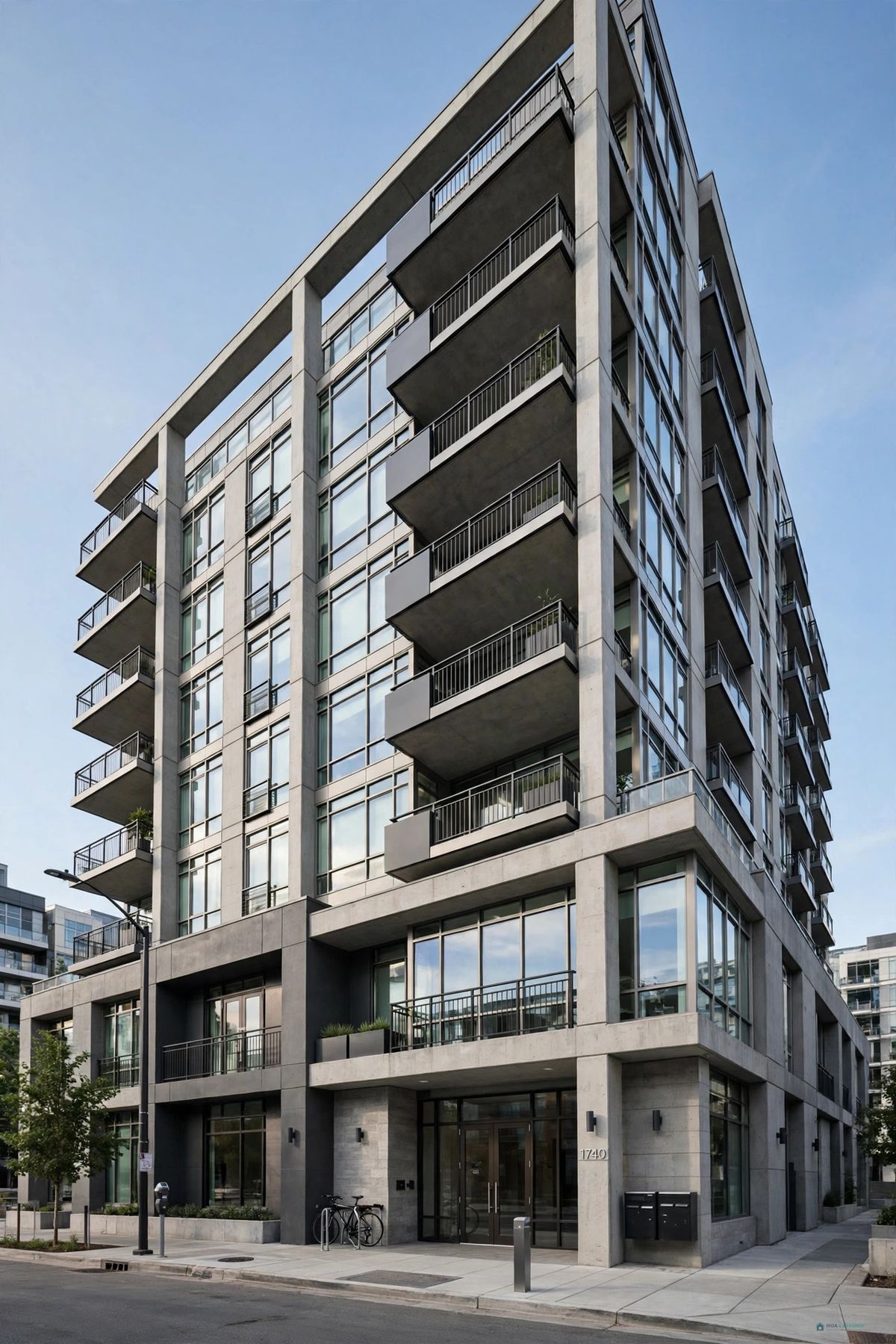
The buyer was approved. The unit appraised. Then the lender’s project review came back, and the deal died — because of the building, not the borrower.
What "warrantable" actually means
Fannie Mae and Freddie Mac buy the majority of American mortgages, and they will only buy loans in condominium projects that meet their project standards. A project that meets them is warrantable: buyers can use standard conventional financing. A project that fails is non-warrantable, and the loan must be sold elsewhere — to a portfolio lender who keeps it, at a higher rate, with a bigger down payment, or not at all.
The review looks at the association, not the unit: its budget and reserves, its delinquency rate, its insurance, its litigation, its ownership concentration, and the physical condition of the building. Neither the buyer nor the seller controls most of those things, which is exactly why warrantability surprises people.
The rules that decide it
- Reserves: at least 10 percent of the project’s budgeted assessments must be allocated to reserves — rising to 15 percent for loans with application dates on or after January 4, 2027.
- Delinquencies: no more than 15 percent of units may be 60 or more days behind on association dues.
- Critical repairs: projects with identified critical repair needs — generally above $10,000 per unit — or evacuation orders are ineligible until the work is done.
- Single-entity ownership: one owner may hold at most 2 units in a 5-to-20-unit project, or 20 percent of units in a project of 21 or more.
- Commercial space: non-residential space generally may not exceed 35 percent of the project.
- Litigation and insurance: certain litigation (especially structural or safety-related) and inadequate master insurance can also disqualify a project.
Note the direction of travel: standards have tightened since the Surfside collapse, including the retirement of the old Limited Review process for many Florida condominiums in 2026, and the higher reserve floor arriving in January 2027. Projects that squeaked through five years ago may not today.

What it costs buyers and sellers
For buyers, a non-warrantable building means fewer lenders, higher rates, larger down payments — often 20 to 25 percent or more — and sometimes no financing at all. For sellers, it shrinks the buyer pool to cash buyers and investors, which shows up directly in the sale price and time on market. For owners who are not selling, it still matters: it affects refinancing, home equity borrowing, and the building’s long-term values.
The most fixable trigger is reserves — boards and owners can see it coming in the reserve study. Our guide to HOA reserve funds explains how the numbers work, and the percent-funded calculator shows where a building stands.
Questions to ask before you buy or sell
- Ask the association or manager directly: is the project currently approved / warrantable with Fannie Mae and Freddie Mac?
- Request the current budget and confirm the reserve allocation percentage — and whether the board has a plan for the 15 percent floor in 2027.
- Ask about delinquency: what share of units is 60+ days behind on dues?
- Ask whether any critical repairs, special assessments for structural work, or litigation are pending.
- If you are selling, gather the project questionnaire documents early — deals die in week four over paperwork that could have been ready in week one.
Frequently Asked Questions
Q: Can a non-warrantable condo become warrantable again?
Yes. Warrantability is a snapshot, not a life sentence. A project that completes its critical repairs, brings delinquencies down, resolves disqualifying litigation, or funds reserves to the standard can pass review again. The timeline depends on the trigger — paperwork issues can clear in weeks; structural repairs can take years.
Q: Can I still get a mortgage on a non-warrantable condo?
Often, yes — through portfolio lenders, credit unions, or non-QM lenders who keep the loan instead of selling it to Fannie or Freddie. Expect a higher rate, a larger down payment, and more documentation. FHA and VA financing have their own project approval lists and rules.
Q: Who pays to fix a warrantability problem?
The association — meaning all owners, through dues and special assessments. That is why a building sliding toward non-warrantable status is a financial issue for every owner, not just those selling: the fix is billed to everyone, and the value loss hits everyone too.
Q: How do I check a building before making an offer?
Ask for the association’s budget, reserve information, and delinquency figures during your document review, and have your lender run the project review as early as possible. A lender who waits until late in the process to check the project is how deals die at the last minute.
📊 Calculate Your HOA Costs
Use our free HOA Fee Calculator to estimate your true lifetime HOA expenses — with year-by-year breakdown.
Calculate Now →