
Charleston, South Carolina HOA Fee Calculator 2026
Charleston's fee map follows its history: a peninsula of old houses with old or no associations, ringed by some of the most thoroughly planned suburbs in the South. Across the Charleston metro, the median HOA fee actually paid is $112 per month (U.S. Census Bureau, ACS 2025, ±$11), and 51.2 percent of owner households pay one — against a South Carolina state median of $99. Mount Pleasant and Summerville pull the number up; the historic core barely registers in it.
Average HOA Fees in Charleston by Neighborhood Type
| Property Type | Average Monthly Fee | Annual Cost | What's Included |
|---|---|---|---|
| Downtown / Peninsula Condo | $465/mo | $5,580/yr | Elevator, master insurance at coastal prices, reserves — a small, expensive sector |
| Master-Planned Community (Mount Pleasant, Daniel Island) | $215/mo | $2,580/yr | Amenity centres, trails and docks, town-scale landscaping |
| New Subdivision (Summerville, Nexton, Cane Bay) | $120/mo | $1,440/yr | Amenity operations, extensive common areas — developer-era in the newest |
| Established Subdivision HOA (West Ashley, James Island) | $75/mo | $900/yr | Entrances, common areas, ponds and enforcement |
| Historic-District Property | $35/mo | $420/yr | Minimal associations or none — owners carry exteriors and flood costs directly |
What Do HOA Fees Cover in Charleston?
Charleston dues buy two different products. In the planned suburbs: amenity centres, trail and dock systems, ponds and stormwater infrastructure, landscaping at Lowcountry standards, and events operations. In the small condo sector: the building basket at coastal insurance prices. The peninsula's historic stock mostly sits outside the system — its owners pay for the same risks directly, in flood insurance, elevation work and maintenance that no association spreads. What no Charleston fee covers: flood. In a city where water is the defining risk, the association's own flood exposure — its common areas, its buildings, its drainage — belongs in every buyer's document review beside the unit's own policy.
What Drives HOA Fees Higher in Charleston?
Water, in three forms: stormwater ponds and drainage systems the suburbs' associations own and must dredge; tidal flooding that taxes roads, docks and common areas on a monthly rhythm; and the insurance market that prices all of it. Second, growth: Summerville and the Nexton–Cane Bay corridor are building entire towns through associations, with developer-era dues and amenity operations scaling behind them. Third, in the condo sector and the older suburbs, tree canopy and asphalt — the Lowcountry grows on its infrastructure. Fourth, labour at a booming metro's prices for landscaping and amenity staffing.
How Much Are HOA Fees in Charleston?
Use the medians — $112 metro, $99 state — as the floor of the conversation, then locate the home: peninsula (association-light, flood-heavy), established suburb (the median's home), or master-planned (above it, with amenity operations to match). South Carolina's Act gives buyers a fee disclosure at sale (§ 27-30-140); add the Charleston questions: the association's pond and drainage reserve position, its flood history and any post-storm assessments, and in new communities the turnover timetable. A $120 dues bill in a turned-over Summerville community with funded ponds is a sturdier number than $95 in a phase-three one.
Are HOA Fees Negotiable in Charleston?
Dues follow the declaration; no individual rates. Around a Charleston purchase, negotiation runs through the disclosure: credits for announced assessments, price reflecting pond or drainage reserves that look thin, and allocation of instalments at closing. In the historic core, the negotiation inverts — with no association to disclose, the buyer prices flood history, elevation certificates and insurance quotes directly into the offer. Either way, the water documents are the deal.
Do HOA Fees Go Up Every Year?
Yes — 3 to 5 percent in the suburbs, faster in the condo sector, with storm-shaped steps when a landfalling system tests the drainage and the reserves at once. South Carolina associations set increases under their declarations; the state Act adds disclosure, not caps. Model the dues at 4 percent and hold a personal reserve for the flood lines no association covers — in Charleston that is not pessimism, it is the local form of arithmetic.
South Carolina HOA Laws: What Charleston Buyers Should Know
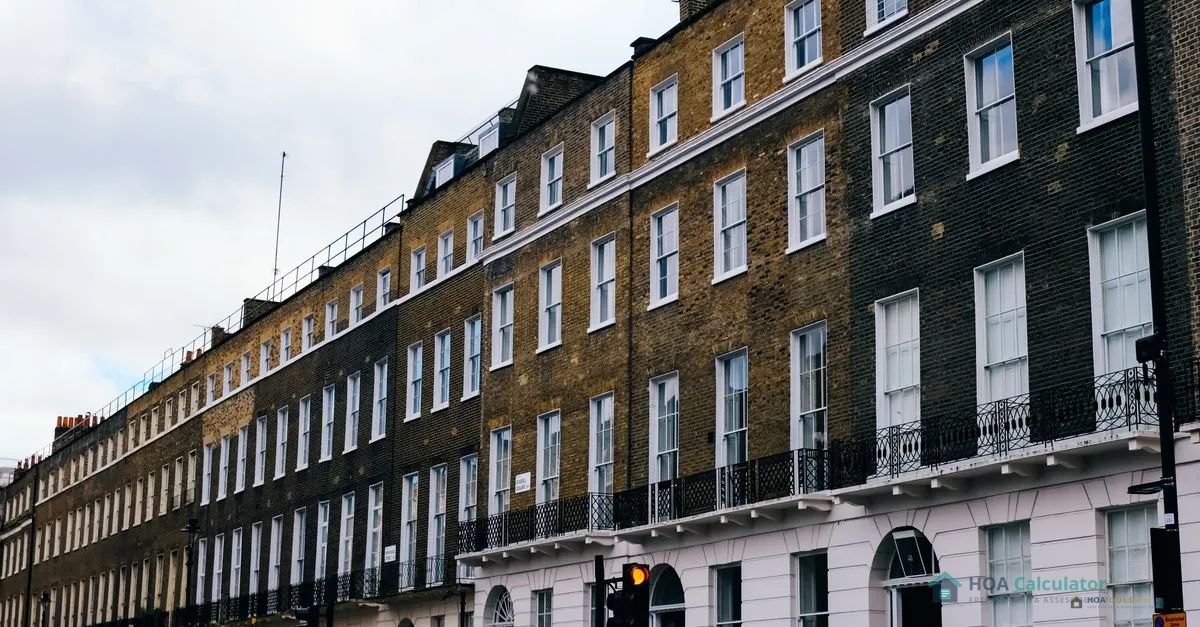
Charleston HOAs sit under the South Carolina Homeowners Association Act (§ 27-30-110 et seq.) — records access, rule availability, and the § 27-30-140 sale disclosure of fees and assessments — and its condos under the Horizontal Property Act (§ 27-31-10 et seq.). Associations enforce liens under their declarations through court foreclosure. The peninsula adds a municipal layer the suburbs lack: the city's design and preservation regimes govern exteriors in the historic district regardless of what any association says. The South Carolina state guide covers the statewide frame; Myrtle Beach, up the coast, runs the same statutes at resort scale.
How to Estimate Your Total Cost of Owning an HOA Home in Charleston
The Charleston stack: mortgage, dues where they apply, county property taxes, homeowners insurance, and flood insurance priced by the specific parcel's elevation and history. A $640,000 Mount Pleasant home at $215 dues might carry $700 or more in combined taxes and insurance before the mortgage; a peninsula home swaps the dues for larger direct water costs. Run the calculator on the dues line at 4 percent, then spend your real diligence on the water lines — in Charleston they are larger, less predictable, and entirely yours.
Calculate Your Future HOA Costs
Use the free HOA Fee Calculator to project this fee over 5 to 30 years — or compare three fee futures side by side with the Scenario Calculator.
How Charleston compares
Charleston's $112 metro median (ACS 2025) sits just above the state's $99 and below Myrtle Beach's $127 — two coastal South Carolina markets whose medians conceal opposite structures: the Strand's number is pulled up by resort towers, Charleston's by planned suburbs, while its historic core opts out of the association system almost entirely. Participation tells the same story in reverse: 51.2 percent here against 59.9 percent on the Strand.
Against the Southeast's growth markets — Raleigh ($79), Nashville ($90) — Charleston runs higher on insurance and water costs that neither inland market carries. The Lowcountry premium in the dues line is, almost literally, the price of the water.
Frequently Asked Questions (FAQs)
What is the average HOA fee in Charleston?+
Why do Charleston's suburbs have higher HOA fees than the historic district?+
What HOA costs should Charleston buyers check beyond dues?+
What does the South Carolina HOA Act require at resale?+
Can a Charleston HOA foreclose for unpaid dues?+
Looking for Full Multi-Property Comparisons?
Use our advanced homepage comparison engine to pit multiple properties, tax rates, and fee structures against each other.
← Open Home Page Calculator