
Why Are HOA Fees So High — and Why Do They Keep Rising?
Why are HOA fees rising so fast?
Four drivers explain most of the increase. Insurance premiums for associations have jumped sharply — some Florida associations reported increases of 50 to 100 percent or more in a single renewal cycle. Reserve funding that boards used to defer is becoming legally mandatory, most strictly in Florida, where structural reserve studies can no longer be waived for critical components. Aging buildings are hitting the expensive part of their life cycle all at once. And Fannie Mae is raising its reserve floor for condominium projects from 10 to 15 percent of budgeted assessments for loans with application dates on or after January 4, 2027, which pressures boards to collect more. For scale: the Census Bureau’s median fee actually paid is $135 per month (ACS 2024), while FCAR’s combined condo-and-HOA average is $244 (2024) — averages sit above the median because high-fee towers pull them up.
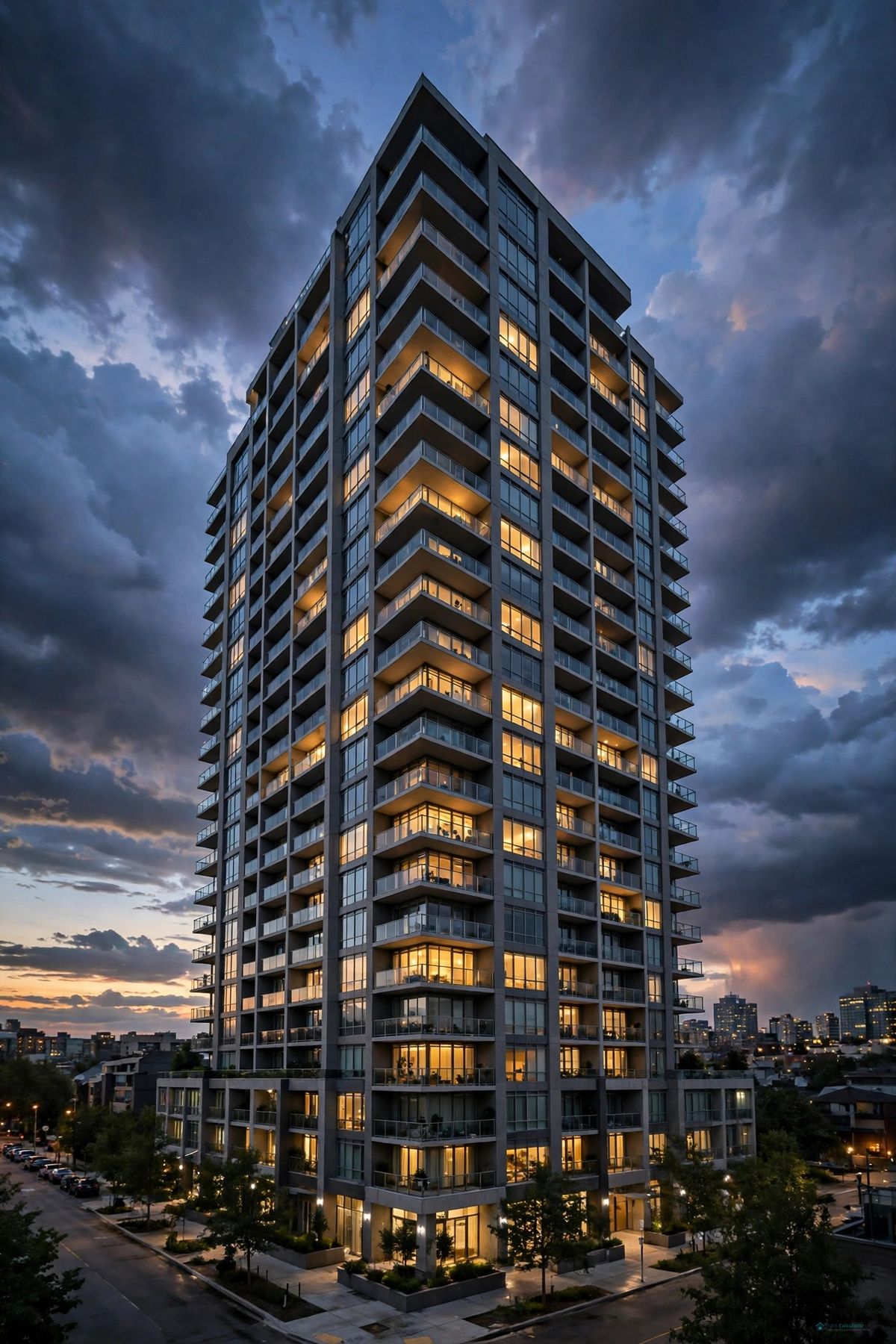
Dues that sat flat for a decade are suddenly jumping 15, 25, even 40 percent in a year. It feels arbitrary. It mostly is not.
Driver 1: the insurance shock
Insurance has become the single largest driver of dues increases, especially in coastal states. Master policies that associations must carry — property, liability, flood, directors and officers — have repriced violently as insurers retreat from storm-exposed markets. Industry reporting through the recent renewal cycles has documented Florida associations facing premium increases of 50 to 100 percent or more in a single year, and the effect is spreading to the Gulf Coast, the Carolinas, and wildfire-exposed parts of the West.
A board cannot choose to skip insurance: lenders require it, state law requires it, and an uninsured loss would be catastrophic. When a premium that was 20 percent of the budget doubles, dues follow — there is nowhere else for the money to come from.
Driver 2: reserves are no longer optional
For decades, many boards kept dues artificially low by underfunding reserves — the savings for roofs, elevators, paving, and concrete. That era is ending. After the Surfside condominium collapse, Florida rewrote its law: milestone inspections and structural integrity reserve studies (SIRS) are mandatory for older condominium buildings, and reserves for structural components can no longer be waived or underfunded by owner vote the way they once were.
Other states are tightening study and disclosure rules in the same direction. Wherever a board that was collecting, say, 40 percent of what its reserve study recommended must now collect closer to the full amount, dues jump — not because spending rose, but because honest accounting arrived.
You can measure your own association’s position in a minute with the Reserve Fund Percent-Funded Calculator — below 30 percent funded is the zone where special assessments become likely.
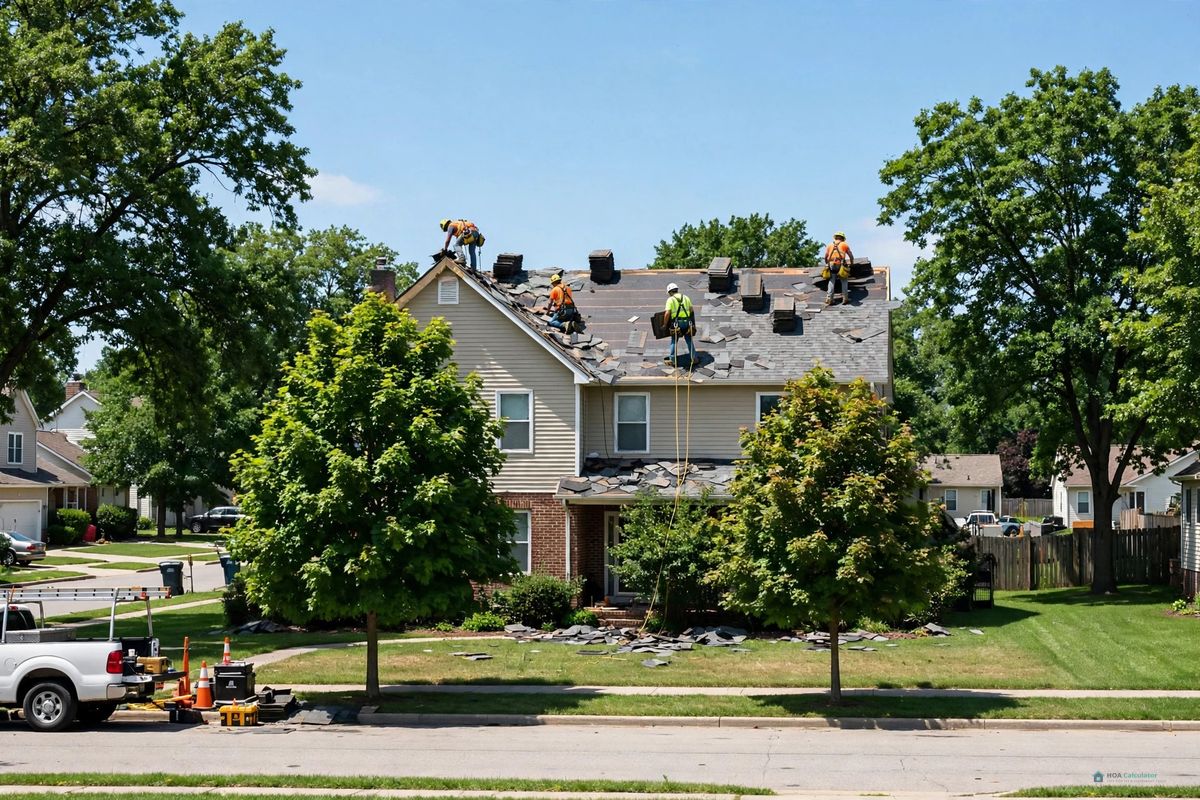
Driver 3: the buildings are aging together
A huge share of America’s community associations were built in the 1970s, 1980s, and 1990s construction booms. Those buildings are now hitting the simultaneous replacement window for their most expensive components: roofs at 20 to 30 years, elevators at 20 to 25, concrete restoration in coastal buildings, plumbing stacks, and waterproofing systems. FCAR counts roughly 373,000 community associations covering 29.6 million homes, and a large fraction of that stock is in this replacement window at the same time.
Construction labour and materials inflation compounds it: the roof that cost $400,000 a decade ago may cost $650,000 today, and the reserve collected against the old estimate is short before work even starts.
Driver 4: lender rules are tightening from January 2027
Fannie Mae’s project standards shape what boards must do, because a building that fails them becomes hard to finance and therefore hard to sell. The long-standing rule requires at least 10 percent of a condominium project’s budgeted assessments to go to reserves. Fannie Mae has announced that floor rises to 15 percent for loans with application dates on or after January 4, 2027. Boards that were funding at the old floor must raise collections by half on that line item — which flows straight into monthly dues.
None of these four drivers is a board being greedy. That does not make every increase justified — owners should still demand the budget, the reserve study, and the insurance quotes behind any jump, and vote accordingly. But the direction of dues, nationally, is set by forces much larger than any single board.

Frequently Asked Questions
Q: Are HOA fees rising faster than inflation?
In many markets, yes. The Census Bureau’s median fee actually paid is $135 per month (ACS 2024) across all fee-paying households, but owners in condominium towers and coastal associations — where insurance and reserve mandates bite hardest — have seen increases far above general inflation in recent years.
Q: Can owners vote down a dues increase?
It depends on the governing documents and state law. Some documents cap annual increases without a membership vote; others give the board full authority. What owners cannot vote away are the underlying obligations — insurance, contracts, and legally mandated reserves must be paid by someone, and deferred costs return as special assessments.
Q: Why did my dues jump if nothing in my community changed?
The most common invisible causes are an insurance renewal repricing, a reserve study update that raised the required contribution, or a lender-driven rule change such as Fannie Mae’s reserve floor rising to 15 percent in January 2027. Ask the board which line items moved — the budget comparison will show it.
Q: Will HOA fees ever go back down?
Individual line items can fall — insurance markets soften, a loan gets paid off, a big project completes — but the structural drivers (aging buildings, reserve mandates, construction costs) point one way. Budget for dues to rise over time, and treat a community with flat dues and weak reserves as a future special assessment, not a bargain.
📊 Calculate Your HOA Costs
Use our free HOA Fee Calculator to estimate your true lifetime HOA expenses — with year-by-year breakdown.
Calculate Now →